Learning to see.
Visual field guides to the cameras I actually shoot with — built to be read once and carried after. Interactive simulators for the things a manual only describes, cutaway diagrams of the mechanisms inside, and craft notes that admit what doesn't work.
Two cameras · one craft guide · twelve interactive diagrams · twenty-four pocket field cards · one companion of real frames
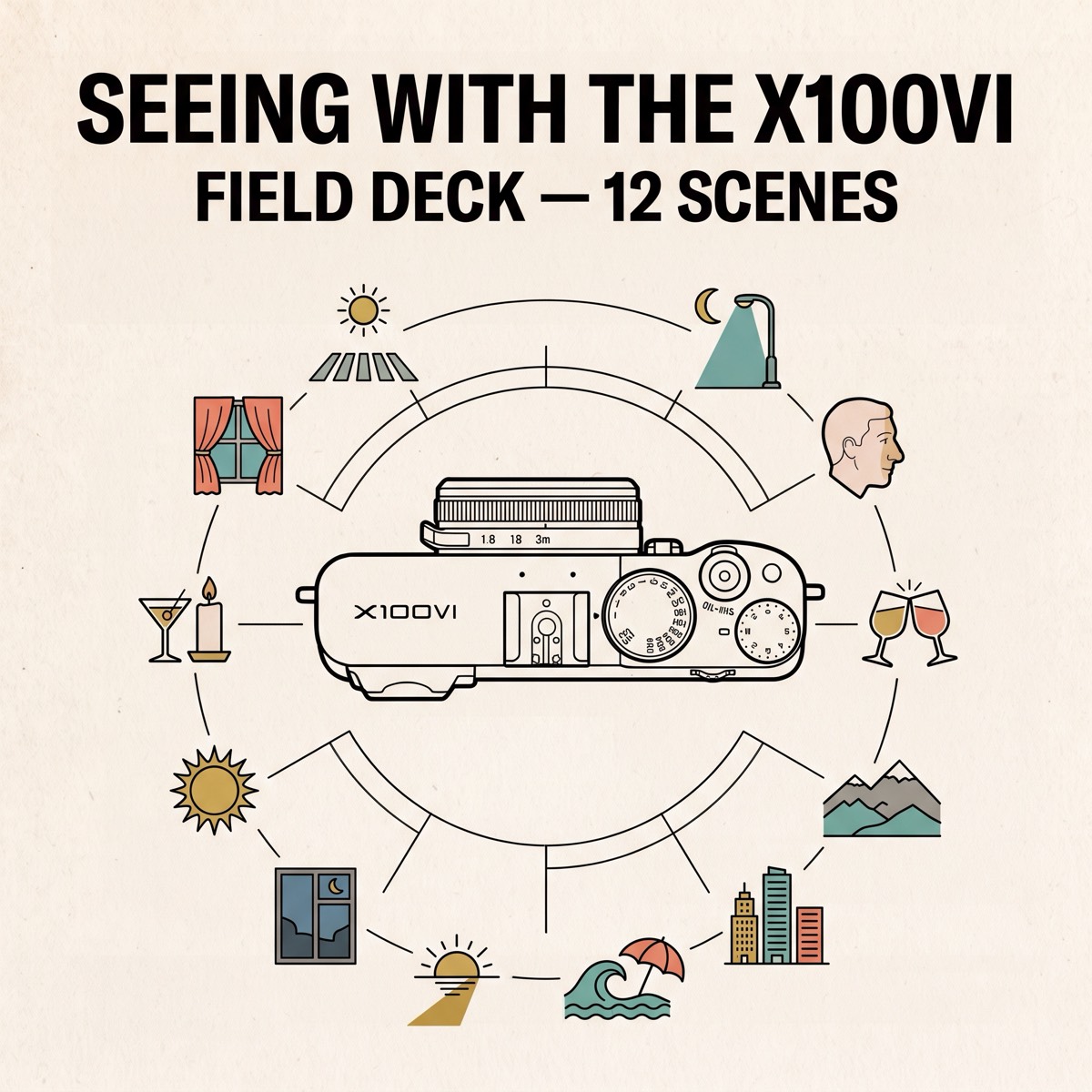
Seeing with the X100VI
One lens, one frame. Aperture, exposure and metering simulators; cutaways of the leaf shutter, built-in ND and hybrid finder; film-recipe cards; and twelve scenes from daylight street to blue hour.
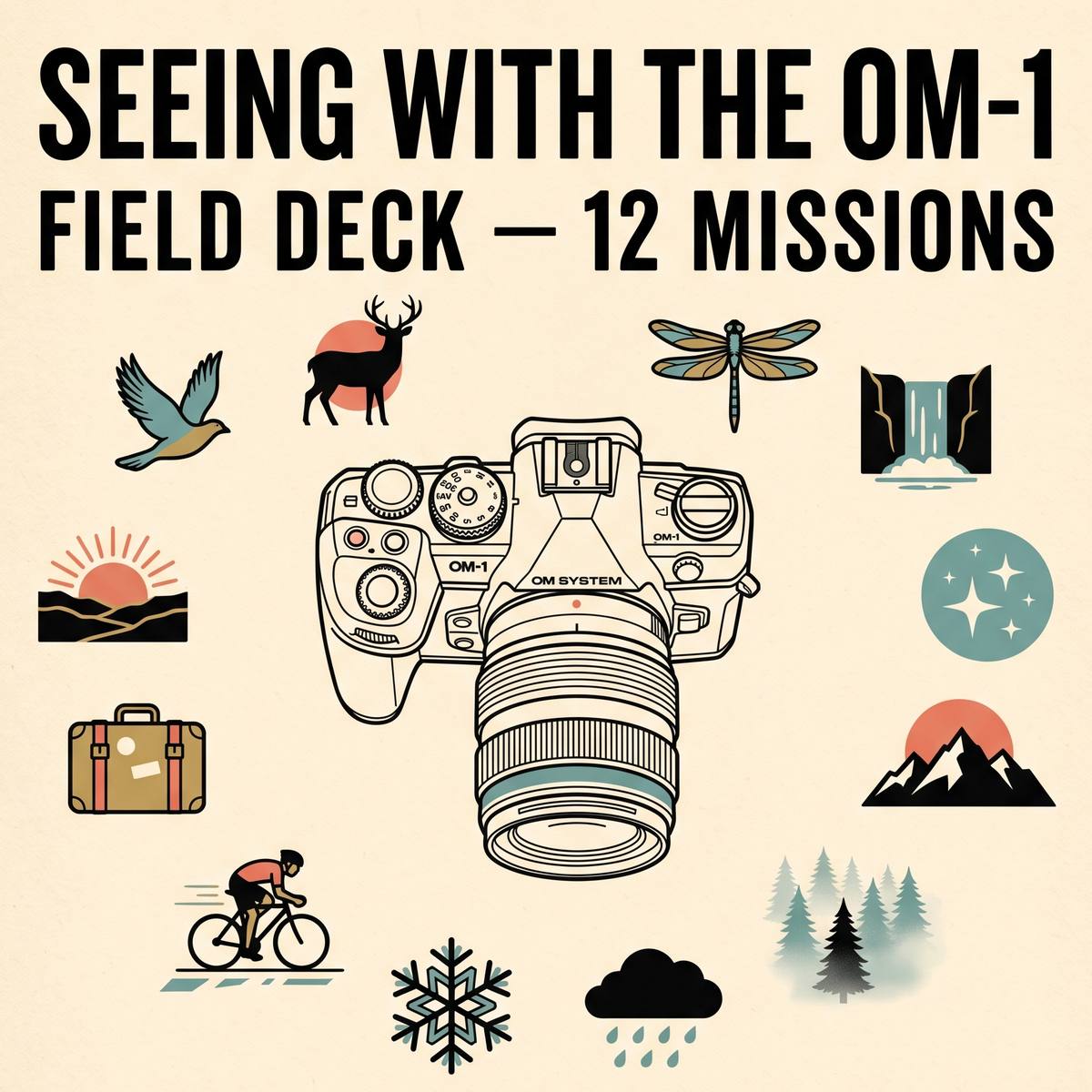
Seeing with the OM-1
Half the sensor, twice the reach. An equivalence explorer and a Spot HI/SH metering simulator; the computational darkroom, ProCapture and Sync-IS in cutaway; and twelve days out, from birds in flight to standing in the rain.
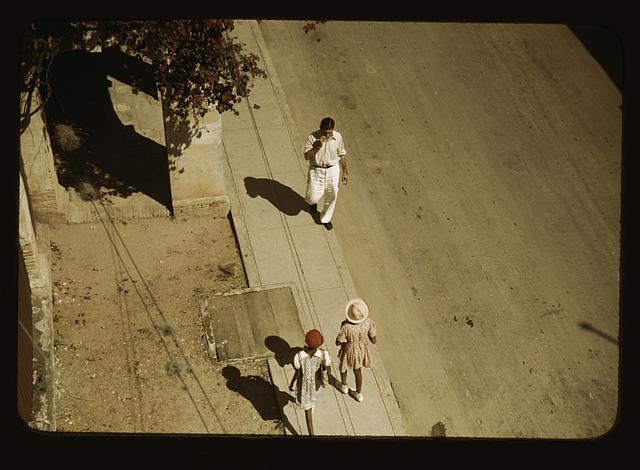
Seeing the street
A street photography guide taught from photographs — half out of the public archive, half from photographers working now, across six continents, all credited and linked. Working distance as the medium, the peak moment as arithmetic, fishing over hunting, layers, color as structure — every claim carrying a number, a named frame, or a working photographer’s example.
In practice
Seven lessons on why a camera fails in predictable ways — the meter’s built-in assumption and how to override it, depth of field as arithmetic, why blur has two causes with one cure, the four properties of light, and the decision no setting can make. Photographs as evidence, not decoration.